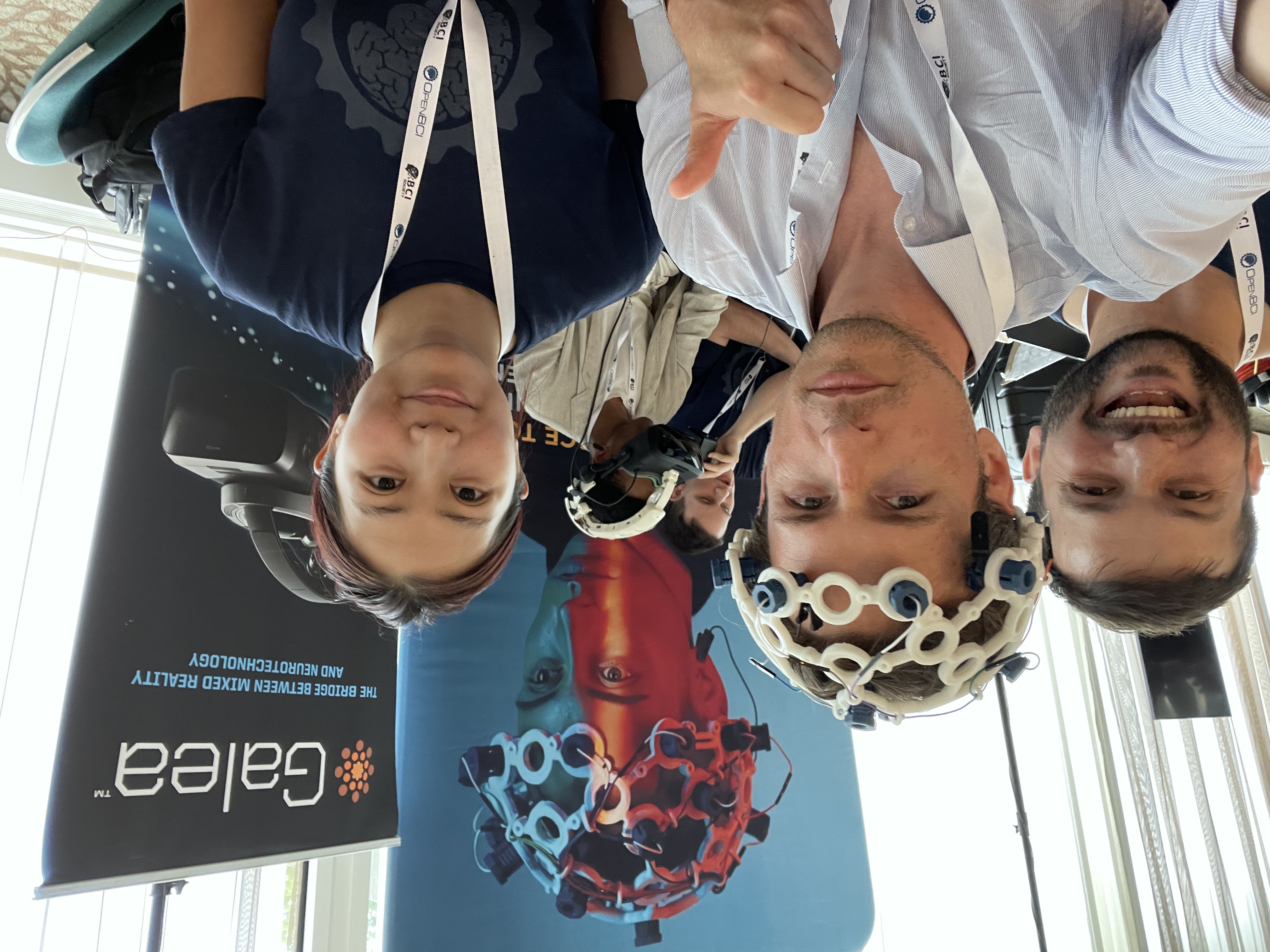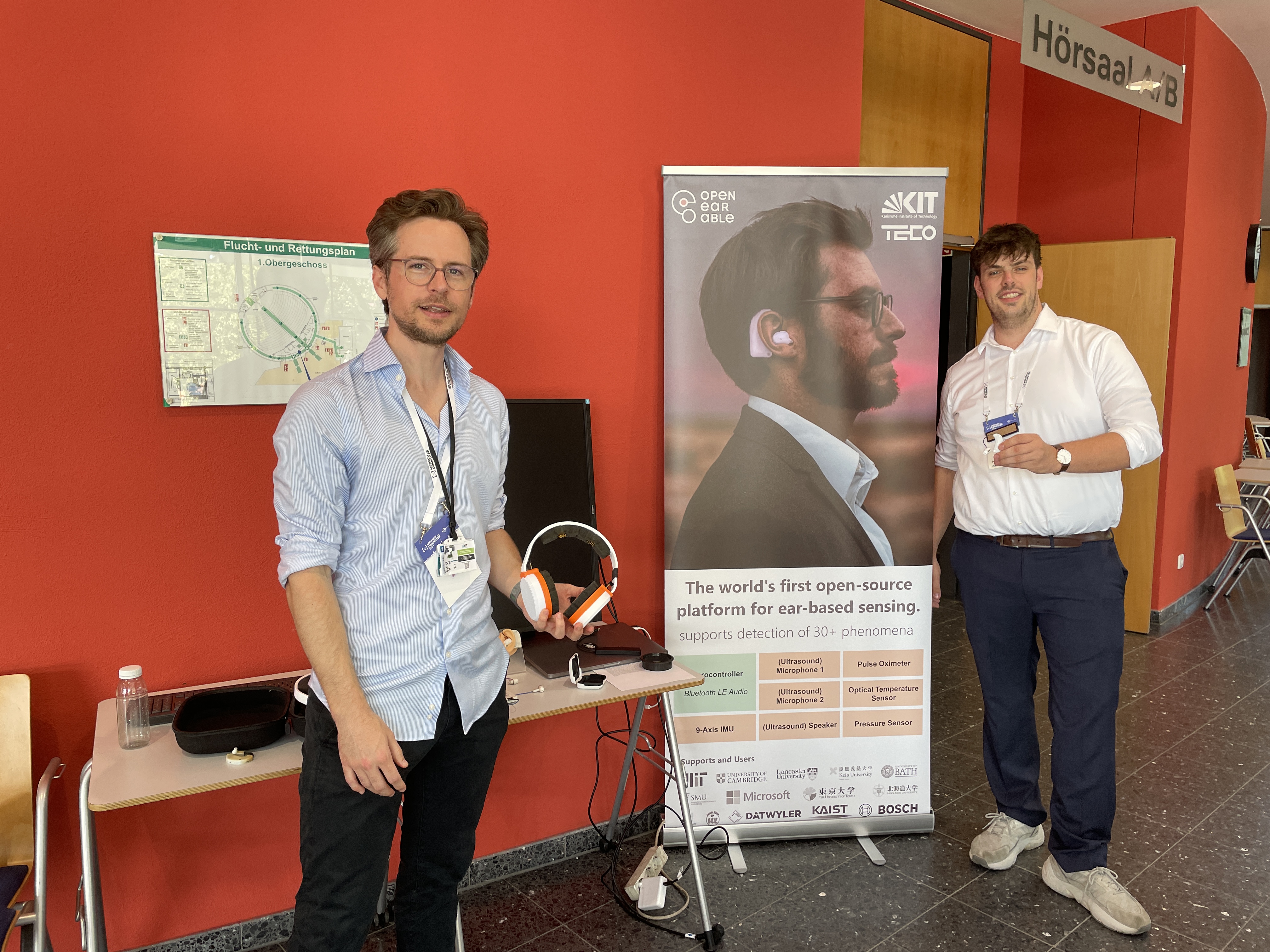
I work at the intersection of Human-Computer Interaction (HCI) and Information Systems (IS), collaborating across neuroscience, biomedical engineering, AI, and psychology—with publications in top venues spanning all these disciplines (ACM CHI, IMWUT, ISWC, CSCW, MISQ, ICIS, ECIS, Sensors, Scientific Reports, BCI).
My research focuses on developing innovative neural wearables that provide critical insight into the daily dynamics of mental demands, recovery, and peak performance. I investigate three core areas: individual experiences in knowledge work (mental workload, flow states, sustainable productivity), team dynamics in virtual collaboration (emotional intelligence, meeting fatigue, affective regulation), and human-AI interaction at work (cognitive demands, user well-being in AI-assisted tasks).
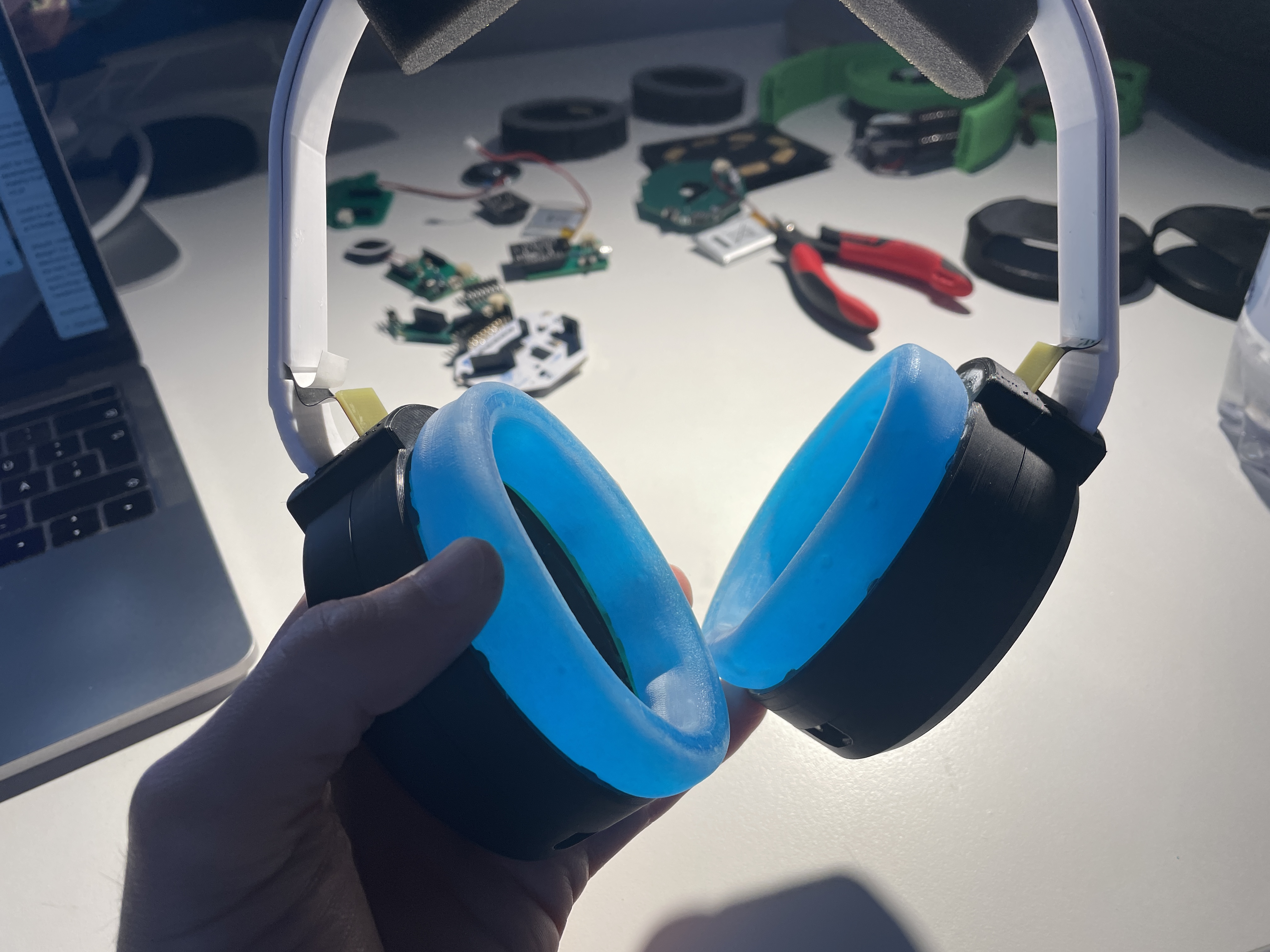
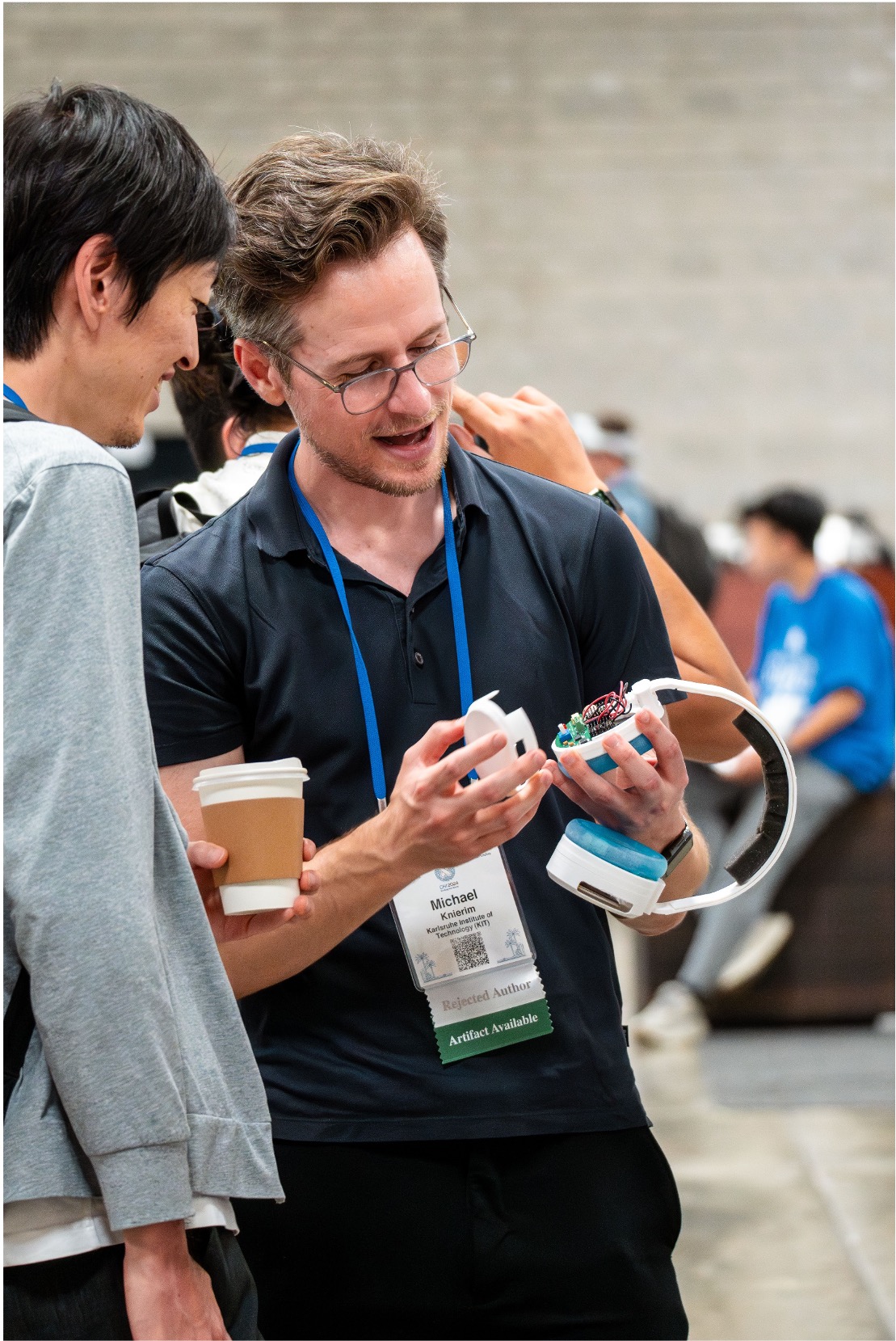
Methodologically, I pioneer wearable brain sensing beyond the laboratory – developing accessible technologies (ear-EEG, headphone-EEG) and conducting naturalistic studies to generate critical datasets. Open-source hardware and software contributions make these advancements accessible to the research community.
By combining multimodal sensor systems (brain activity, heart rate variability, behavioral data) with advances in machine learning, my research group creates the foundation for adaptive systems that respond to psychological and physiological needs. Conducting this work transparently and openly ensures these technologies develop in an ethically responsible manner – serving societal needs rather than commercial interests.
Recognitions
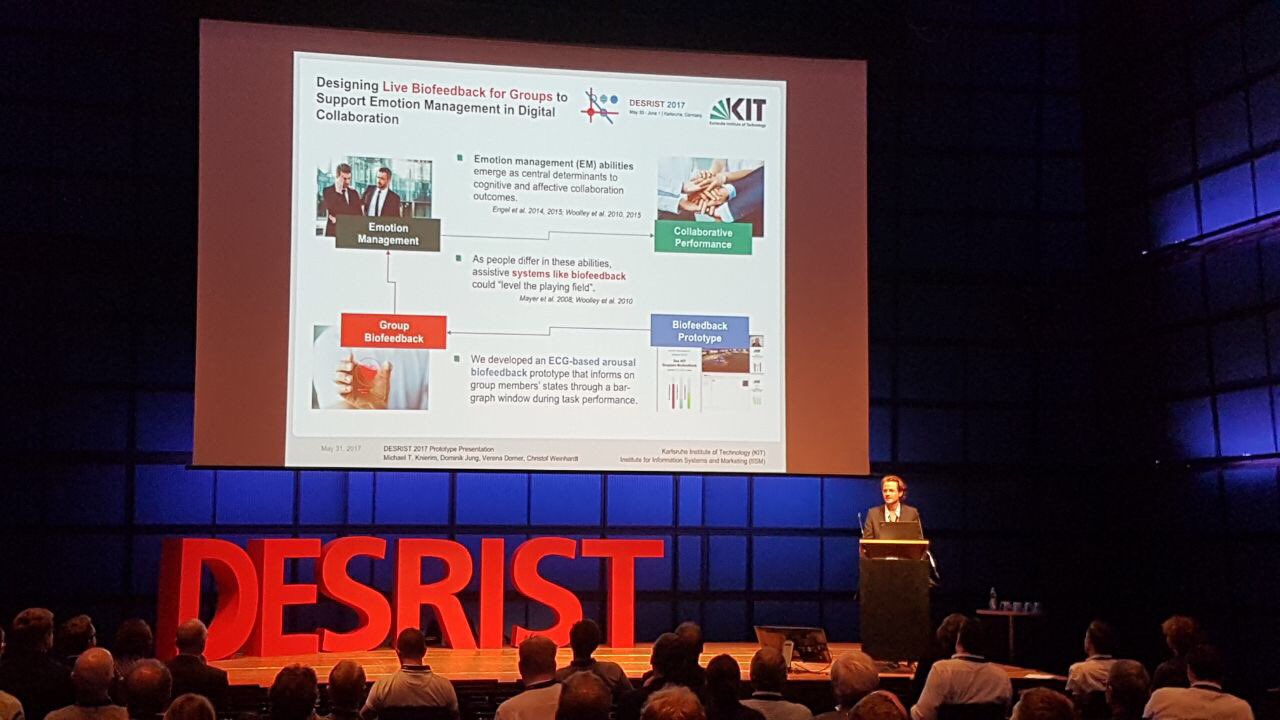
My research and academic service have been recognized through multiple international awards and nominations. I received the Best Paper Award at the International Symposium on Wearable Computing Systems (ISWC) in 2025 and an Honorable Mention Award (top 5% of 5,014 submissions) at the ACM CHI Conference on Human Factors in Computing Systems in the same year. Earlier in my career, I received the Best Prototype Paper Award at the Design Science Research in Information Systems and Technology (DESRIST) conference (2017) and was nominated for Best Paper Awards at the Group Decision and Negotiation conference (2017) and the International Conference on Physiological Computing Systems (2018).
In recognition of my contributions to the academic community, I have also received several Outstanding Reviewer Recognitions, including from ACM CHI (2024, 2025, 2026), ACM IMWUT (2025), and UbiComp/ISWC (2025).
Featured Work
Neural Wearables

Traditional brain sensing has been confined to laboratories with bulky equipment. My research pioneers wearable EEG systems for everyday contexts – developing open-source hardware (Open-cEEGrids for gel-based ear-EEG, Open ExG Headphones with dry electrodes), algorithms (improving temporal precision for mobile EEG), and software (web apps for secure data streaming). Through lab-based and field-focused evaluations, this work bridges controlled experiments and naturalistic studies, making brain sensing as practical as heart rate monitoring and enabling continuous assessment of cognitive states in real-world environments.
Validating that low-cost open-source OpenBCI systems achieve comparable performance to high-end amplifiers for around-the-ear EEG recordings (Sensors 2023)
Scalable, customizable web-based platform simplifying OpenBCI EEG setup for field studies with privacy-compliant data streaming (UbiComp Workshop 2024)
Demonstrating superior wearability of headphone-EEG compared to traditional systems, with equal signal quality and reliable cognitive load classification validated in week-long field studies with nearly 200 hours of data (IMWUT 2025)
Fostering Positive Experiences: Flow, Mental Workload & Mental Fatigue
Understanding and fostering positive psychological experiences at work – particularly flow states – while managing mental workload and fatigue is crucial for sustainable productivity and well-being. My research investigates these interconnected phenomena using both physiological measurement (EEG, ECG) and experience sampling methods to capture their dynamics in real-world work contexts. By identifying when people are in optimal cognitive states versus experiencing overload or fatigue, this work enables the development of systems that support mental readiness and recovery, ultimately fostering healthier and more productive work experiences.
Using discrete ear-EEG throughout entire workdays to identify neural correlates of flow, discovering that natural work tasks elicit more intense flow than artificial lab tasks (CHI 2025)
Demonstrating that intense, cognitively demanding games effectively enable recovery after high mental workload tasks, challenging traditional recovery theories (CHI 2025)
Exploring the interplay between mental readiness, fatigue, cognitive functioning, and flow experiences in digital work environments (CHI EA 2025)
Future of Work: Knowledge Work, Virtual Teamwork, Human-AI Interaction

The nature of work is fundamentally transforming as digital technologies, remote collaboration, and AI assistance reshape how knowledge workers perform complex tasks. My research investigates the cognitive, physiological, and social dynamics of modern work environments, developing evidence-based approaches to support well-being, productivity, and optimal experiences in digitally-mediated settings.
NeuroIS laboratory study manipulating interruption frequency and relevance during typical office tasks, examining impacts on self-reported flow, its dimensions, heart rate variability, and task performance to understand how IT-mediated interruptions affect deep work states (MIS Quarterly 2023)
Using heart rate variability and neurophysiological measures to understand when mental workload peaks during extended remote meetings, providing foundations for designing neuro-adaptive video conferencing systems that propose breaks at optimal times (ICIS 2025)
Examining how digitally-mediated communication affects flow experiences in collaborative knowledge work, using machine learning on ECG and self-report data to classify flow states and revealing that communication-restrictive digital environments may limit shared intense experiences (ICIS 2019)
Live Biofeedback
Advances in sensor technology enable moving biofeedback applications from clinical settings into everyday information systems. My research explores how real-time neurophysiological feedback can support self-regulation skills and enhance emotional awareness in collaborative contexts.
Proposing psychophysiology-based emotion feedback to improve emotion management in digitally-mediated teamwork, addressing the lack of affective cues in computer-mediated collaboration (DESRIST 2017)
Systematic review synthesizing research across disciplines on integrating neurophysiological biofeedback into information systems for decision support, education, and gaming contexts (Communications of the AIS 2018)
Beyond Sensing: Actuating perception and environments
Moving beyond passive sensing, my research explores how actively manipulating physical environments and perceptual experiences can enhance human comfort, well-being, and interaction. This work investigates thermal actuation systems, gaze-based interaction paradigms, and human-centric automation approaches that recognize psychological needs alongside technical capabilities.
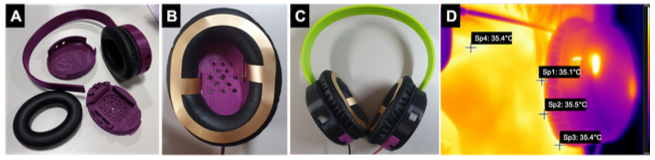
Novel in-ear wearable that emits near-infrared radiation to deliver localized optical heating, significantly increasing perceived ambient temperature by 1.5°C and delaying cold discomfort, positioning unobtrusive thermal comfort enhancement for everyday contexts (ISWC 2025)
Exploring how wearable thermal actuation systems integrated into everyday devices can support thermal comfort and cognitive performance during work activities (CHI 2024)
Novel HCI method eliminating external screens by having users trace smooth trajectories with their hands while fixating gaze on their thumb, enabling natural gaze-based input without additional display requirements (ETRA 2025)
Publications
As listed on Google ScholarLoading publications...
Beyond the Research
Community Engagement
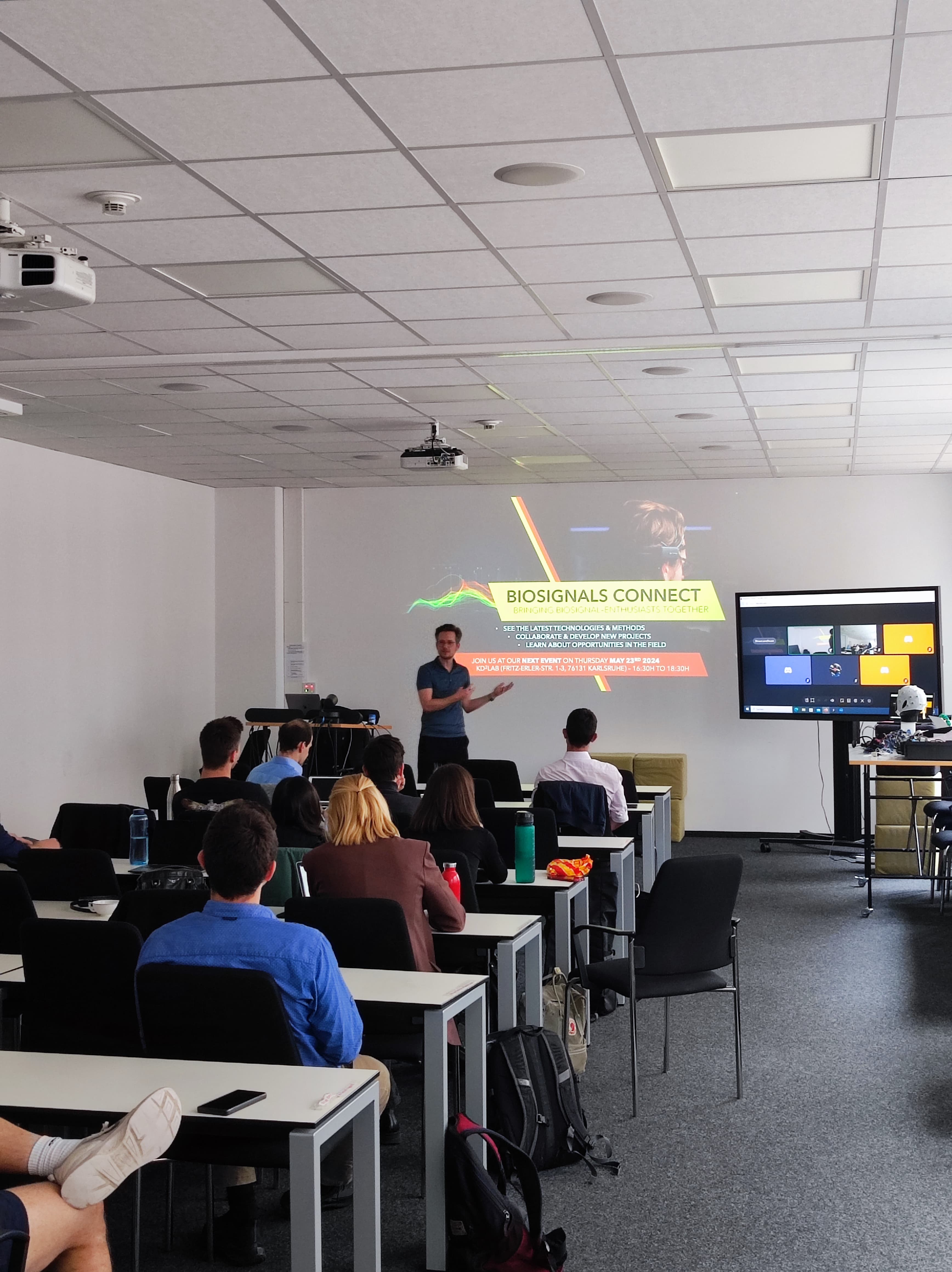
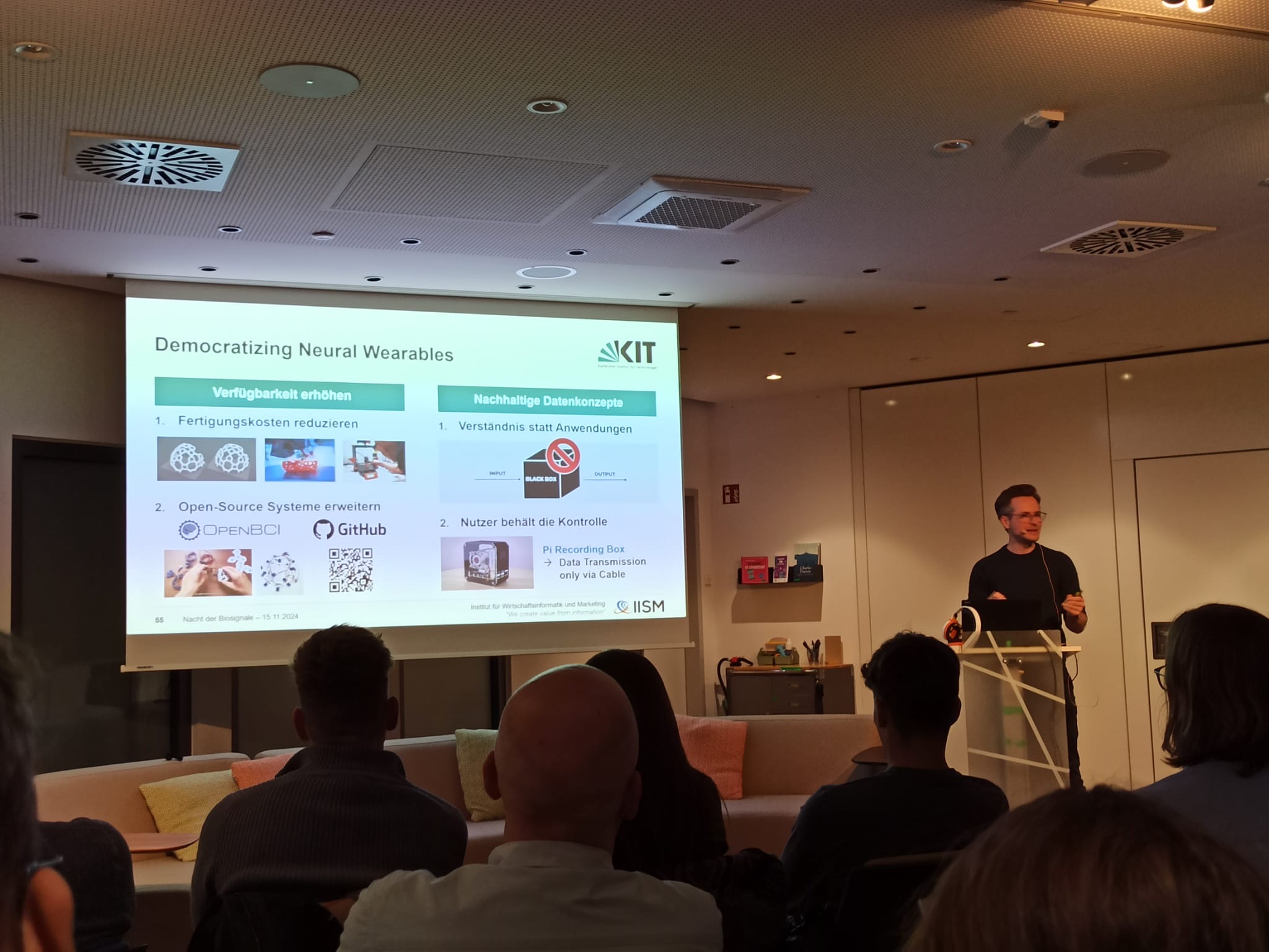
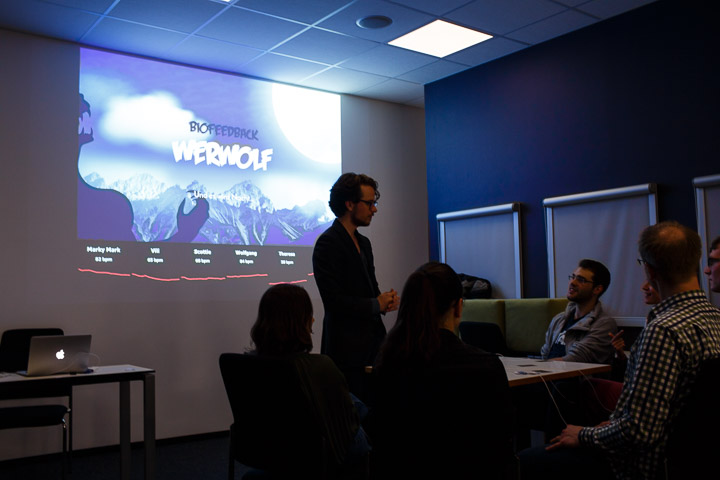
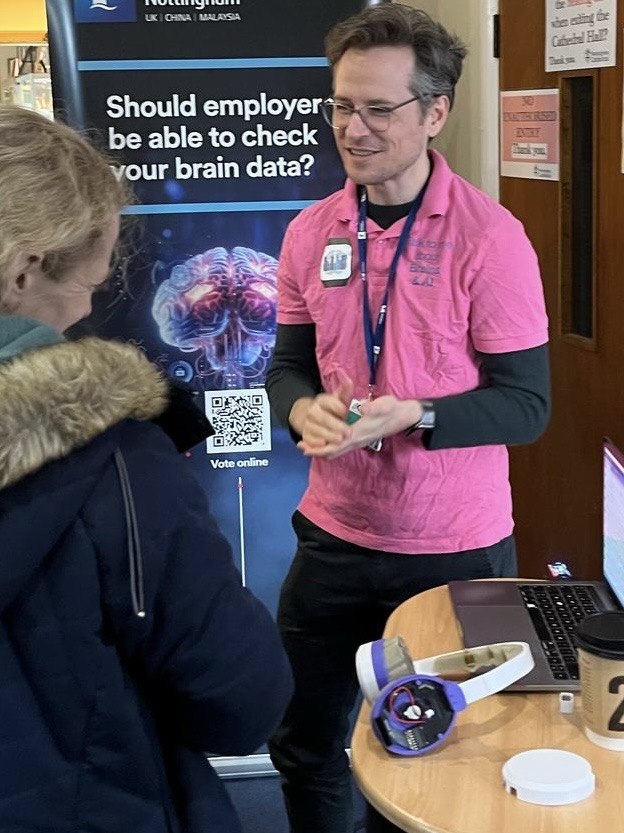
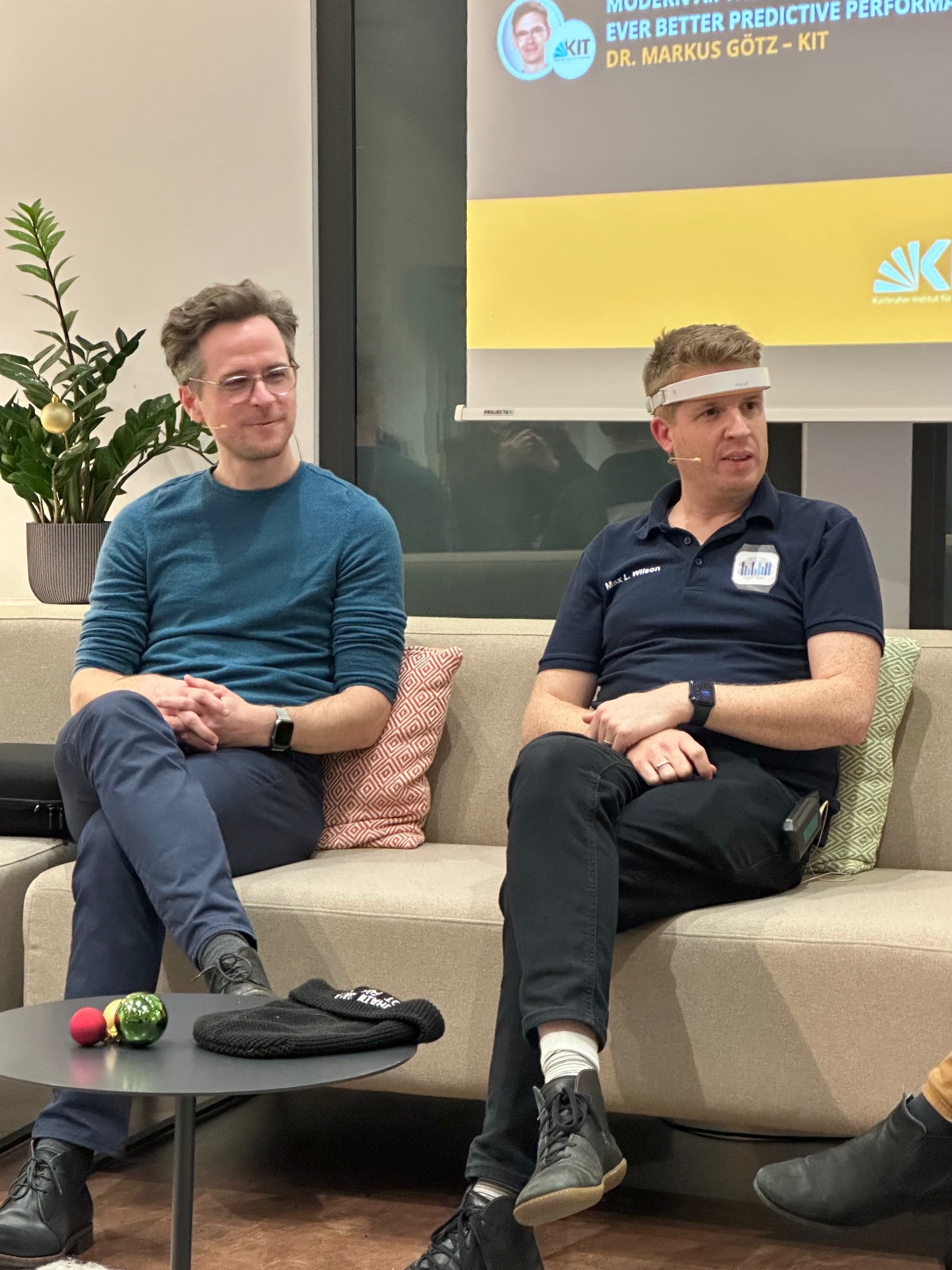
Co-organizer of the Biosignals Connect ( "BioCon" ) conference series, associated editor at various IS & HCI outlets (CHI, ISWC, ECIS, WI, NeuroIS), active contributor to the OpenBCI open-source community, and advocate for transparent, privacy-preserving approaches to everyday neurotechnology. I frequently speak at public events like the Night of Sciences or the Night of Biosignals.
Collaboration & Partnerships
Research advances through community. I'm grateful to work alongside talented doctoral researchers, students, and collaborators who bring fresh energy and perspectives to our projects. My work connects researchers across KIT, the KD2School Research Training Group, and international partners at University of Nottingham, Politecnico di Milano, Nara Institute of Science and Technology, and institutions in Sweden and the USA. Industry collaborations with Mercedes-Benz, ABB, Bosch, and sensor manufacturers help bridge academic innovation with real-world impact.